
 25 December 2025
 Share
Share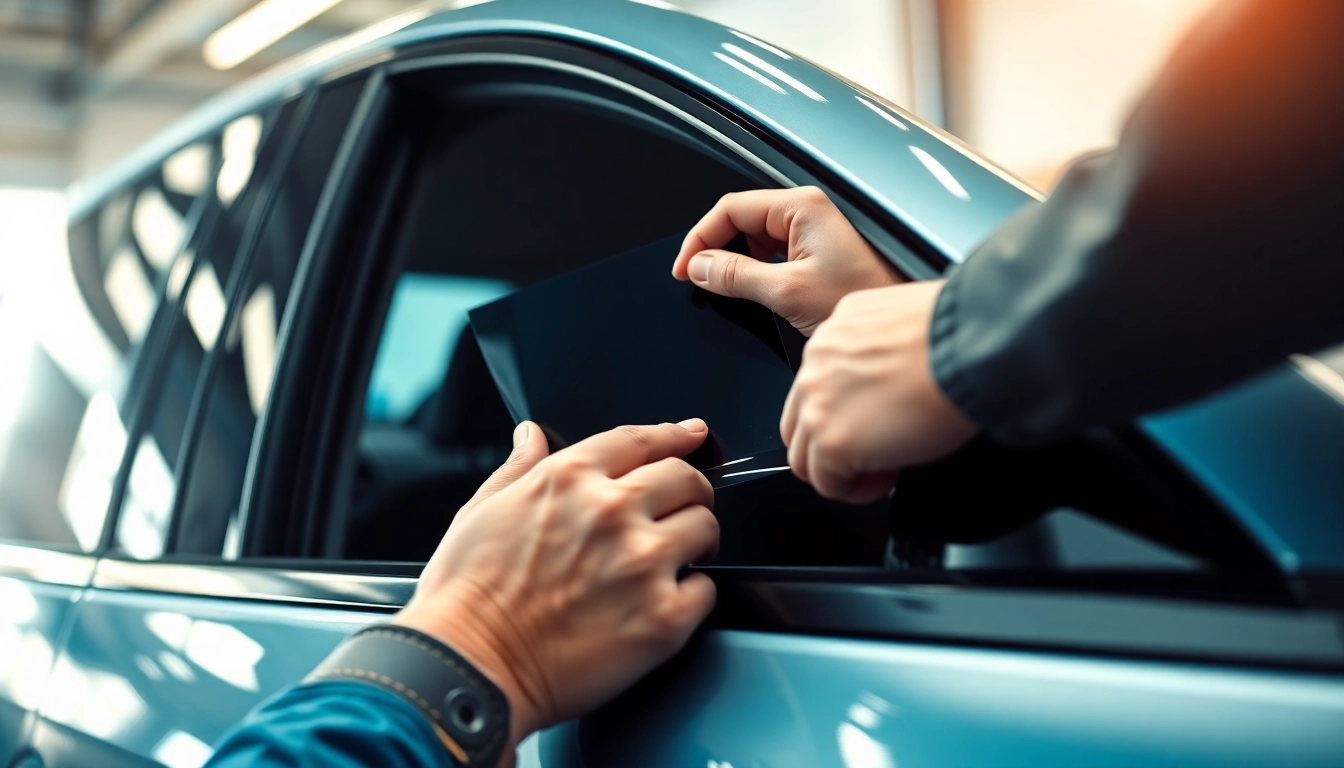
Understanding Ceramic Window Tint
What is Ceramic Window Tint?
Ceramic window tint is a high-performance film designed for automotive and residential windows that utilizes advanced ceramic technology to provide both aesthetic enhancement and functional benefits. Unlike traditional films, ceramic window tint contains no metal components and is composed of ceramic particles dispersed in a polymer base, allowing it to offer superior heat rejection, UV protection, and glare reduction. It is a popular choice for vehicle owners seeking a combination of performance and visual appeal. For those looking to enhance their vehicle’s aesthetics while enjoying the benefits of functionality, ceramic window tint is an ideal solution.
Benefits of Ceramic Window Tint
Ceramic window tint provides numerous advantages that distinguish it from other tinting options. Here are some of the primary benefits:
- UV Protection: Ceramic window tint blocks over 99% of harmful ultraviolet rays, protecting both passengers and vehicle interiors from sun damage.
- Heat Rejection: The high-performance ceramic materials used in the tint absorb heat effectively, keeping the interior of the vehicle cooler, especially during hot weather.
- Glare Reduction: It minimizes glare from sunlight and headlights, improving driving comfort and safety.
- Long-lasting Performance: With a lifespan that can exceed a decade, ceramic window tint offers durability and resistance to degradation.
- Enhanced Privacy: The tint provides a level of privacy that deters theft and keeps vehicle occupants shielded from prying eyes.
- Aesthetic Appeal: Available in various shades, ceramic window tint can elevate the vehicle’s look while maintaining a sleek appearance.
How Ceramic Window Tint Differs from Other Tints
Ceramic window tint stands out significantly when compared to other tinting options like dyed or metallic films. Here are several key differences:
- Material Composition: Unlike dyed films that rely on color dyes and metallic tints that utilize metal layers, ceramic tint relies on non-metallic ceramic particles that provide longer-lasting quality without interference with signals such as GPS or cell reception.
- Heat and UV Protection: Ceramic films excel at blocking heat and UV rays compared to dyed and metallic options, making them more effective for long-term skin and interior protection.
- Durability: Ceramic window films exhibit greater resistance to scratches, wear, and fading, ensuring that they maintain their look and performance longer than conventional tints.
- Visibility: While some darker tints can reduce visibility, ceramic window tint is designed to maintain high levels of clarity for enhanced safety on the road.
Choosing the Right Ceramic Window Tint
Factors to Consider When Selecting Tint
When selecting ceramic window tint, it’s essential to evaluate factors that affect its performance and suitability for your specific needs:
- Heat Rejection Rate: Look for films with a high solar heat gain coefficient (SHGC) for maximum heat reduction.
- UV Blocking Capabilities: Ensure the tint offers superior UV blocking, ideally 99% or more.
- Brand Reputation: Choose brands known for quality and reliability to ensure longevity and performance of the film.
- Warranty: A good warranty indicates the manufacturer’s confidence in their product’s performance and durability.
- Installation Quality: Professional installation can significantly affect the performance of the tint, so choose a reputable installer.
Selecting Tint Shade and Reflectivity
Choosing the right tint shade and level of reflectivity can alter not only the aesthetics of your vehicle but also its functionality. Consider the following:
- Legal Regulations: Check local laws for permissible tint shades to avoid fines or re-installation costs.
- Personal Style: Select a shade that complements your vehicle’s color and your personal style, while keeping in mind that darker films offer more privacy but may affect visibility.
- Reflectivity Levels: Ceramic tints come in different levels of reflectivity; higher reflectivity can enhance glare reduction but might not suit everyone’s aesthetic preferences.
Understanding Local Tinting Laws
Before applying any tint, understanding local regulations regarding window tinting is crucial. Every state or region has specific laws that dictate:
- Visible Light Transmission (VLT): This specifies the minimum percentage of light allowed to enter through the windows. Ensure compliance to avoid penalties.
- Reflectivity Levels: Some jurisdictions may limit the amount of reflectivity available for the front windshield and front side windows.
- Exemptions and Permits: Investigate if special exemptions for medical conditions apply that would allow darker tints.
Application Process for Ceramic Window Tint
Preparing Your Vehicle for Tinting
Preparation is vital for achieving optimal results when applying ceramic window tint. Here’s how to adequately prepare your vehicle:
- Clean the Windows: Ensure that windows are thoroughly cleaned to remove dust, dirt, and grease.
- Inspect for Damage: Check for existing scratches or chips in the glass that may affect tint adhesion.
- Remove Accessories: Take off any accessories such as window trims or stickers that could obstruct the film application.
Step-by-Step Tint Installation Guide
Here is a concise overview of the steps involved in installing ceramic window tint:
- Measure the Windows: Accurately measure each window that requires tint to ensure proper sizing of the film.
- Cut the Film: Cut the ceramic window film according to the measurements, allowing an extra margin for fitting.
- Apply the Tint: Starting with the back windows, use a spray solution to moist the glass surface, then place the tint onto the window and squeegee out any air bubbles.
- Trim Excess Film: Once securely applied, trim off any excess film at the edges for a neat finish.
- Allow for Curing: Let the tint cure for a few days without rolling down the windows to ensure proper adhesion.
Common Mistakes to Avoid
To ensure successful installation and longevity of your ceramic window tint, avoid these common pitfalls:
- Poor Cleaning: Failing to clean windows before installation can lead to bubbles and premature peeling.
- Overheating: Applying tint in direct sunlight may impair adhesion and lead to uneven installation.
- Ignoring Instructions: Skipping or overlooking manufacturer instructions can result in improper application and performance issues.
- Using Incorrect Tools: Using the wrong squeegee or cutting tools can cause scratches or uneven edges.
Maintenance and Care for Ceramic Window Tint
How to Clean and Maintain Window Tint
Proper maintenance helps extend the life of your ceramic window tint:
- Use Soft Cloths: Always use a microfiber cloth or similar soft fabric to avoid scratching the film.
- Avoid Abrasive Cleaners: Steer clear of ammonia-based products; use tint-safe cleaners specifically designed for window tint.
- Gentle Washing Techniques: Clean the windows gently without applying excessive pressure to maintain the tint’s integrity.
Signs of Damage or Wear
Ceramic window tint is designed for durability, but wear can still occur. Watch for these signs:
- Bubble Formation: This may indicate improper installation or moisture trapped between the film and glass.
- Peeling Edges: If the edges of the tint start to lift, it may require reapplication or repair.
- Fading or Discoloration: While high-quality ceramic tints resist fading, severe discoloration may suggest damage.
When to Consider Reapplication
Reapplying ceramic window tint may be necessary if you notice:
- Persistent Bubbles: If bubbles don’t dissipate, it may warrant removal and reapplication.
- Significant Scratches: Deep scratches can impair visibility and aesthetic appeal.
- Severe Fading: If the tint’s effectiveness has diminished, reapplication can restore performance.
FAQs About Ceramic Window Tint
What is the lifespan of ceramic window tint?
Ceramic window tint can last up to 15 years with proper care, providing long-term UV protection and heat rejection.
Does ceramic window tint block UV rays?
Yes, ceramic window tint blocks over 99% of harmful UV rays, protecting your skin and vehicle interiors.
Can ceramic window tint fade over time?
High-quality ceramic window tint is designed to resist fading, ensuring it maintains its appearance and effectiveness over time.
Is professional installation necessary?
While DIY options exist, professional installation ensures proper alignment, minimizing bubbles and installation errors.
How does ceramic window tint affect visibility?
Ceramic window tint is designed to reduce glare while maintaining high visibility, ensuring safe driving conditions.
